ESOPHAGUS

ESOPHAGUS (Food Pipe)

The esophagus is a ~25 centimeters long muscular tube connecting the throat and stomach. It is lined by moist pink tissue known as mucosa. Anatomically, the esophagus runs in front of the spine and behind the trachea (windpipe) and the heart. 

The muscles in the esophagus help to move the food we eat to the stomach with its contractions. There are two bands of muscle, one at the top of the esophagus called the upper esophageal sphincter and one slightly above the stomach called the lower esophageal sphincter. When a person eats, these muscles relax to pass the food to the stomach and when not in use, they remain contracted to prevent the flow of food and stomach acid back up the esophagus. 

Esophageal Cancer

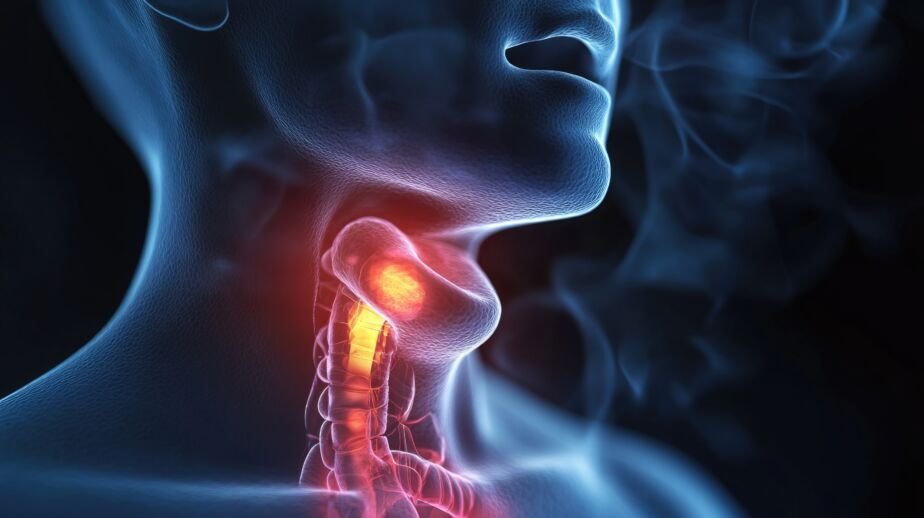
Cancerous growth originating in the esophagus constitutes a major global health burden, especially in low and middle-income countries. Esophageal cancer denotes a serious condition in which malignant (cancer) cells form in the mucosal lining of the esophagus. It can develop anywhere along the esophagus and it affects more men than women. It always begins on the inner lining of the esophagus and continues to invade through the other layers of the esophagus as it grows and develops. Esophageal cancer can be largely divided into two subtypes based on microscopic features.

  • Adenocarcinoma
  • Squamous cell carcinoma

Esophageal Adenocarcinoma

Esophageal adenocarcinoma is a sub-type of esophageal cancer and it starts in the cells of mucus-secreting glands in the esophagus. It mostly affects the glandular cells of the lower esophagus or Gastroesophageal junction. Obesity and chronic acid reflux induced damage are the major risk factors. Commonly seen in males, it is usually asymptomatic until it reaches an advanced stage. It occurs commonly after 50 years of age and usually presents with symptoms of dysphagia and unintentional weight loss. When this happens, cancer has often advanced locally and may have spread in the lining of the esophagus with spread into the adjacent lymph nodes or in worse cases, in distant sites.
Esophageal Squamous cell carcinoma

Unlike adenocarcinoma, squamous type cancers have the tendency to arise from mid esophagus near tracheal bifurcation, earlier lymph nodal spread, and poorer prognosis. Tobacco and alcohol consumption are the major causes.

Symptoms of esophageal cancer

Treatment

There are different treatment options available for patients with esophageal cancer. A multimodality approach is key for a good outcome. There are various treatment approaches such as surgery, radiation therapy, chemotherapy and immunotherapy are used in combination depending on the stage of the disease. Treatment Protocol for an individual patient has finalized after a thorough review of all disease-related reports in a multi-disciplinary meet (MDT) which usually consists of specialist Surgeons, Radiation Oncologists, Medical Oncologists, Pathologists, Radiologists, and Endoscopists. Localized tumors are often treated with curative intent. Tumors that have already spread to distant sites usually treated with palliative intent which means applying measures to relieve the symptoms and improving the quality of life.

Surgery:

Surgery is the most frequently opted treatment for localized esophageal cancer. Usually, almost all the esophagus (except small upper portion) along with the proximal part of the stomach is removed during the surgery and this operation is termed as radical esophagectomy. This surgery can be performed by open as well as “keyhole’ (Laparoscopic/robotic) approach with an equally good outcome. The surgeon will connect the healthy part (left out proximal portion) directly to the remaining stomach. Surgery is not suitable for tumors near the upper esophageal sphincters. In the multimodality approach, surgery often combined with chemotherapy and/or radiotherapy

Radiation Therapy:

Radiation therapy involves the use of high-energy x-rays or other radiations to kill the cancer cells or keep them at halt from advancing. There are two kinds of radiation therapy. External radiation therapy employs a machine outside the body and this sends radiation toward cancer. Internal radiation therapy uses needles, seeds, wires, or catheters with radioactive substances sealed in. This is then placed directly into or near cancer.

Chemotherapy:

Chemotherapy uses drugs to kill the cancer cells or stop them from dividing. When chemotherapy is ingested through the mouth or the injected into the vein, the medicine enters into the bloodstream and attacks the cancer cells throughout the body. This is called systemic chemotherapy. Chemotherapy is administered by Medical oncologists based on the type and stage of cancer.

Chemoradiation Therapy:

Chemoradiation employs the use of both chemotherapy and radiation therapy to increase the effects of both kinds of treatment. Based on the type and stage, Doctors will suggest a course of treatment, which may have side effects. Once the course of the treatment is done, regular check-ups and follow-up tests are to be continued to monitor the condition and ensure cancer did not recur or worsen.
Treatment

Benign tumors in the esophagus are rare lesions. Less than 1% of the esophageal neoplasms are made up of these benign tumors and about two-thirds of these benign tumors are leiomyomas. This makes leiomyomas, the most common benign tumors of the esophagus. This originates from the muscle layer of the esophagus. They are often found during endoscopic evaluation for the upper gastrointestinal tract. For symptomatic or large leiomyomas, doctors will advise patients to opt for surgical excision which is usually done through a ‘keyhole’ (laparoscopic) approach.

Gastroesophageal reflux disease (GERD):

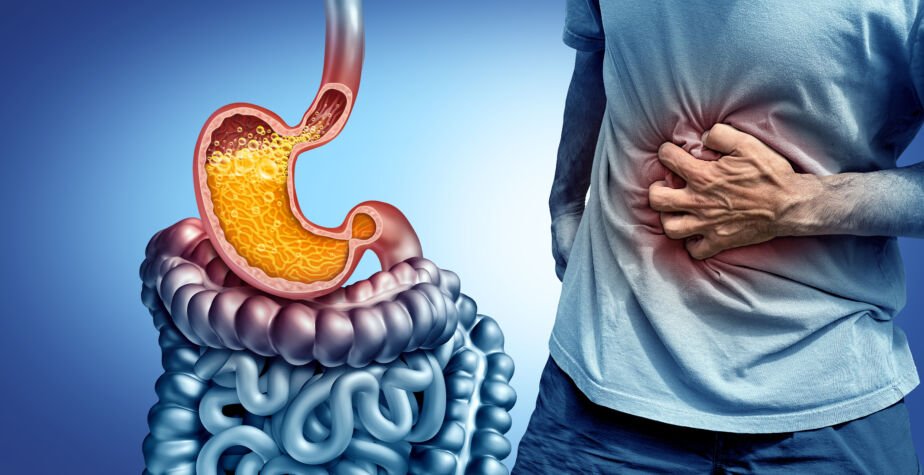
Gastroesophageal reflux disease is a digestive disorder that occurs when the stomach juice like acids and food contents frequently reflux back into the esophagus which is a muscular tube that connects the mouth to the stomach. This may happen if the lower esophageal sphincter (ring-like muscle) is dysfunctional. GERD can cause dangerous tissue damage if left untreated. It is a long-term condition that can show an increase in the severity of symptoms on and off.

Symptoms

Treatment:

When diagnosed early, symptoms of GERD can be cured with some lifestyle alteration and diet modification. Doctors may also suggest medications such as antacids, H2 blockers and proton pump inhibitors to relieve your symptoms. 

Proton pump inhibitors

When diagnosed early, symptoms of GERD can be cured with some lifestyle alteration and diet modification. Doctors may also suggest medications such as antacids, H2 blockers and proton pump inhibitors to relieve your symptoms. 

Antacids:

Antacids work by neutralizing the acids in the stomach. They are commonly recommended as they help in speedy recovery. 


H2 blockers:

Also known as Histamine blockers or acid-reducing medications, drugs such as famotidine aid to decrease and control the amount of acid produced by your stomach. 

Surgery:

When left untreated the conditions will worsen which will lead to serious GERD complications. Doctors may suggest surgery to correct the disease in selected patients. Surgery helps to avoid long-term medications in young patients and also helps with the prevention of complications like the stricture (narrowing) of the esophagus and Barrett’s esophagus (normal esophageal cells are replaced with abnormal cells) 

Fundoplication:

The most common and standard surgical treatment for GERD, Fundoplication is the tightening and reinforcing of the lower esophageal sphincter (LES). This can be done as an open surgery or by a ‘Key hole’ (laparoscopic) surgery, which is a minimally invasive process. 

Endoscopic procedures for GERD

There are certain endoscopic procedures for GERD correction such as

  • Transoral Incisionless Fundoplication:
  • Stretta Procedure:
  • Bard EndoCinch System 
  • Linx Surgery

Innovative solutions advancing healthcare