
LIVER
Liver
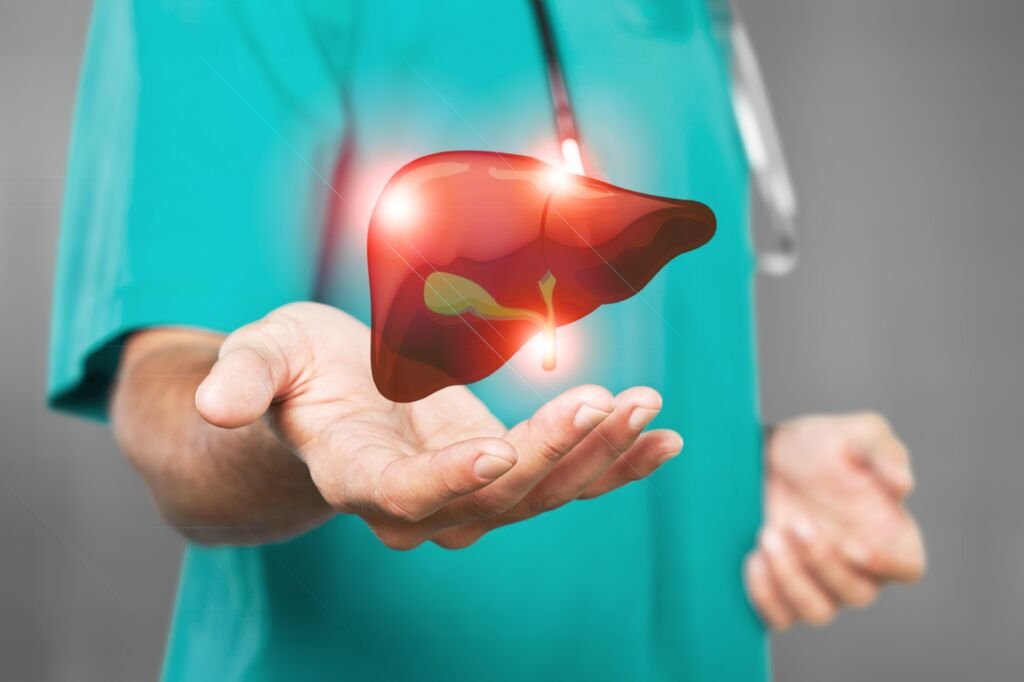
Situated in the right upper quadrant of the abdomen, under the diaphragm and covered by the lower right ribs, the liver is the largest organ of the body. An average, healthy liver of an adult weighs about 1.5 Kg and is reddish-brown in color. It is divided into two main lobes and has about 25% of the cardiac output flowing through it.
The liver plays an important role in detoxifying the body and it does this by filtering the blood that comes in from the digestive tract before it sends it back out into the rest of the body. It is also responsible for the production of proteins like albumin and clotting factors. Cholesterol and bilirubin (hemoglobin degradation products) are excreted through bile. It secretes bile acids which help in digestion of fats. The drugs which we are taking are often metabolized in the liver and few are excreted through bile.
Fatty liver
Also known as hepatic steatosis, fatty liver is a condition in which fat builds up in the liver. It is normal for the liver to have small amounts of fat; but if abnormal and excess accumulation of fat is present, the person is labeled to have a fatty liver.
There are two main kinds of fatty liver disease, alcoholic or nonalcoholic. Alcoholic Fatty Liver Disease (AFLD), that affects those who consume a lot of alcohol and Non-Alcoholic Liver Disease (NAFLD), which affects those who consume minimal to no alcohol. Excessive calorie intake without much physical activity (sedentary lifestyle), Obesity, Diabetes, dyslipidemia (abnormal fat levels) and hypothyroidism (low thyroid hormone levels) could be the cause. Fatty liver can lead to various severe health issues like its inflammation (hepatitis), which leads to scarring decades later (Cirrhosis) and this, in turn, leads to liver failure.
Fatty liver is often picked up in Ultrasound scan abdomen during routine health. Although it is not associated with any specific symptom, Patients often approach gastroenterologists with a lot of apprehensions.
Treatment:
A healthy lifestyle and diet habits are the keys. Besides, if any underlying specific disease is there (like diabetes, hypothyroidism), that should be managed as well.

Lifestyle changes:
The gastroenterologist will advise the patient to stop consuming alcohol (abstinence). Weight loss is of the utmost importance in overweight or obese patients. This is proven to drastically reverse the condition and therefore is a must. A healthy diet, which is rich in fruits, vegetables and whole grains combined with regular exercise (at least 30 mins daily) help. Indiscriminate excess carbohydrate intake should be discouraged.
Vitamin E supplementation in nondiabetic patients may help.
Hepatitis

Hepatitis A: It is caused by Hepatitis A virus (HAV) and is transmitted by consuming food or water contaminated by the feces of a person with Hepatitis A.
Hepatitis B: The hepatitis B virus is spread when blood or other body fluid of infected enters the body of a person who is not infected. People can become infected from
- Birth (mother to her baby during birth)
- Sex
- Sharing needles and syringes
- Tattooing
- Transfusion of infected blood
Hepatitis B virus does not spread through food or water, sharing eating utensils, hugging, hand-holding, coughing, or sneezing.
Hepatitis is an inflammatory condition of the liver. Heavy alcohol use, fatty liver (excess fat accumulation in the liver), toxins, drugs, and certain medical conditions like autoimmune diseases can cause hepatitis. However, hepatitis is often caused by a virus. Different viral hepatitis such as:
- Hepatitis A
- Hepatitis B
- Hepatitis C
- Hepatitis D
- Hepatitis E
Hepatitis C: Like the hepatitis B virus, the hepatitis C spread when blood or other body fluid of infected enters the body of a person who is not infected.
Hepatitis D: Hepatitis D needs hepatitis B to multiply and therefore infects only when the patient already has hepatitis B. Spread is similar to that of hepatitis B.
Hepatitis E: It is commonly found and spread in areas with poor sanitation. It is a waterborne disease contracted by consuming water that is contaminated by fecal matter. Commonly seen in pregnant females.
Symptoms:
- Malaise (a general feeling of discomfort, illness, or unease whose exact cause is difficult to identify) – often at the onset of disease
- Dark urine
- Light-colored stools
- Yellowing of eyes and skin
- Loss of appetite and weight
- Nausea and vomiting
Hepatitis A and E infection often present as acute hepatitis (short-duration/recent onset). Treatment is mainly with supportive medications. Some patients can develop fulminant (very severe form) hepatitis and liver failure beyond a tolerable limit. They require intensive care unit (ICU) support. Some may require liver transplantation. Hepatitis A and E are preventable by hygienic eating habits and improved sanitation. Vaccination is available for hepatitis A.
Hepatitis B and C infections often present as a chronic illness (long-lasting). They may be detected incidentally during a routine check-up. These two viruses have the tendency to cause inflammation at the subclinical level for a long duration (chronic hepatitis). After a few decades, the liver becomes hard and shrunken (cirrhosis). One cirrhosis develops, it cannot be reversed and patients may require liver transplantation.
Hepatitis B is treated with anti-viral medications. Vaccination is available for hepatitis B and is administered to all newborns within their first 6 months.
Hepatitis C is treated with anti-viral medications. Vaccinations are unavailable for this disease.
Hepatitis D has no anti-viral medications. Administering hepatitis B vaccination can prevent it, as the hepatitis B virus is needed for hepatitis D to multiply.
Cirrhosis
Cirrhosis is the irreversible scarring (fibrosis) of the liver that leads to the loss of the healthy liver cells. This is caused as a result of excessive consumption of alcohol or liver diseases such as hepatitis. Cirrhosis decreases the function of the liver by shrinking and hardening it and is usually diagnosed at the last stages and is the result of chronic liver disease.
Symptoms:
- Loss of weight and appetite
- Yellowing of the eyes and skin
- Swelling of the legs and feet
- Fatigue
- Abdominal distension due to fluid accumulation
- Blood vomiting
- Melena (passing hair colored dark stool)
Treatment:
Lifestyle changes:
Treatment for alcohol consumption: The intake of alcohol must be stopped. At this stage, no amount of alcohol must be taken, as even small amounts are considered toxic.
Weight Loss: The patient, if overweight, will be asked to lose weight. By eating healthy and exercising regularly, the blood sugar levels can be controlled and fatty liver disease will reverse.
Medical treatment:
Treatment for hepatitis: For cirrhosis caused by hepatitis, medication to deal with these viruses will definitely help mitigate liver damage.
Excess fluid in the body: Medication along with a low-sodium diet can prevent the fluid from building up in the body. If there is an excessive build-up of fluid, the gastroenterologist will suggest procedures to drain the fluid and relieve pressure.
Portal hypertension: Portal hypertension helps prevent severe bleeding by controlling the increased blood pressure in the veins that supply blood to the liver.
Hepatic encephalopathy: Lactulose and Rifaximin (gut antibiotic) can help reduce toxin build up in the body created due to the poor functioning of the liver.
Surgery:
Liver transplantation: The advanced stage of cirrhosis leads to liver failure, a condition in which the liver ceases to function altogether. This condition can only be rectified with the transplant of the diseased liver. In this surgery, a healthy liver from a deceased donor or a part of the liver from a living donor is transplanted to the patient, based on their ability to recuperate and accept the new liver after the surgery.
Liver Tumors
Also called hepatic failure, liver failure is a life-threatening condition in which the liver is unable to perform its functions both synthetic and metabolic. There are two kinds of liver failure, which are acute and chronic. Acute is when liver failure happens rapidly, in days to weeks, in a patient with no preexisting liver disease and chronic is when liver failure happens gradually. Sometimes patients with preexisting chronic liver disease can develop a rapid decline in liver function and is called ‘acute on chronic’ liver failure.
Malignant liver tumors:
Hepatocellular carcinoma:
Cancer that begins in the cells of the liver is called primary liver cancer. The main type of primary liver cancer is hepatocellular carcinoma. It usually arises in the background of a shrunken liver (cirrhosis). It can be localized or metastatic (which has already spread). Sometimes, it can be multicentric (originate at more than one place). Treatment is based on the stage of the disease, extent of the liver that needs to be removed, liver function and general condition of the patient. Surgical removal of the tumor along with a healthy margin is called hepatectomy. Those fit into criteria (Milan criteria) are eligible for liver transplantation. Those who are not suitable for surgery can be treated with nonsurgical methods like percutaneous radiofrequency ablation or ethanol injection, trans arterial chemoembolization, trans arterial radioembolization or with drugs such as Sorafenib.
Liver Tumors are very common in clinical practice. They may benign (noncancerous) or malignant (cancerous).
Benign liver tumors:
- Hemangioma: These tumors originate from blood vessels and very often detected on routine scans during a medical health check-up. Irrespective of the size, asymptomatic hemangiomas can be left alone without any treatment. Symptomatic one will be removed surgically.
- Adenoma: Often affects women, especially those who use oral contraceptive pills. They can become cancerous later.
- Focal nodular hyperplasia: Can be identified by a scar at the center of the tumor. It is usually asymptomatic and does not progress to cancer.
Liver metastasis:
The liver is susceptible to deposition of cancerous cells traveling in the bloodstreams from all over the body, especially from the gastrointestinal tract. When these cancerous cells affect the liver, it is termed as secondary or metastatic cancer. Generally, metastatic disease is considered inoperable and treated with chemotherapy. But certain diseases like colorectal cancers and neuroendocrine tumors with liver metastasis, surgical resection is an option.
Liver failure
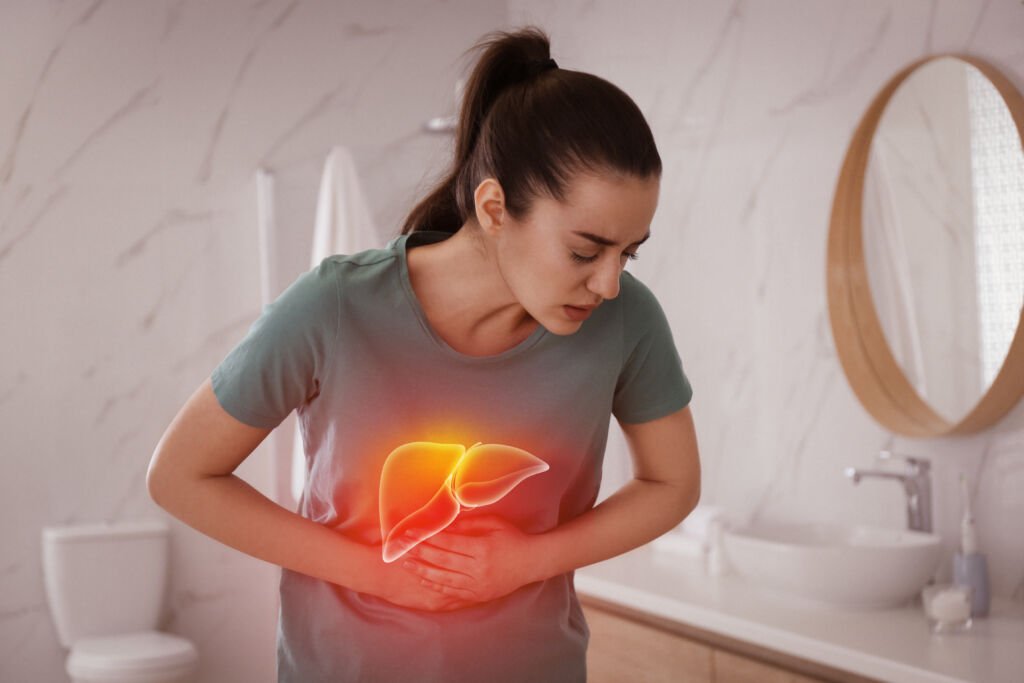
Also called hepatic failure, liver failure is a life-threatening condition in which the liver is unable to perform its functions both synthetic and metabolic. There are two kinds of liver failure, which are acute and chronic. Acute is when liver failure happens rapidly, in days to weeks, in a patient with no preexisting liver disease and chronic is when liver failure happens gradually. Sometimes patients with preexisting chronic liver disease can develop a rapid decline in liver function and is called ‘acute on chronic’ liver failure.
Causes of acute liver failure:
- Paracetamol (Acetaminophen) overdose
- Viruses: Hepatitis A, hepatitis E, and hepatitis B
- Drugs: Antitubercular drugs, anticonvulsants, herbal supplements
- Toxins: Poisonous wild mushroom (Amanita phalloides), Carbon tetrachloride, rat killer poisoning
- Autoimmune disease – a condition in which your immune system attacks your body, causing inflammation and injury.
- Budd-Chiari Syndrome – Blockage venous outflow of the liver.
- Metabolic disease: Wilson’s disease (copper metabolism defect) and acute fatty liver of pregnancy
- Shock – Sepsis (infection) or low blood volume (Hypovolemia)
Causes of chronic liver failure:
- Alcoholism
- Viruses – Hepatitis B and C
- Non-alcoholic fatty liver disease (NAFLD)
- Genetic
- Wilson’s disease (Copper metabolism defect)
- Hemochromatosis (Excess iron accumulation in the body)
- Alpha-1 antitrypsin deficiency
Symptoms:
A person suffering from liver failure will show symptoms such as
-Yellowing of skin and eyes (jaundice)
-Disorientation, altered sleep or coma (Encephalopathy)
-Abdominal distension due to fluid accumulation (Ascites)
-Swelling of legs (pedal edema)
-Blood vomiting (hematemesis)
-Melena (passing hair colored dark stool)
Treatment:
Acute liver failure is mainly supportive. A severe form of acute liver failure where the patient rapidly deteriorating may need ICU support. Liver dialysis may be required to tide over the crisis. Few will require liver transplantation.
Management of chronic liver failure is mainly the management of complications like ascites, esophageal & gastric varices, encephalopathy, hepatorenal syndrome, hepatopulmonary syndrome, spontaneous bacterial peritonitis, Porto-pulmonary hypertension, and hydrothorax. Decompensated liver disease requires liver transplantation.

Hydatid Disease
Caused by Echinococcus granulosus, hydatid disease is a parasitic infestation of tapeworms in the liver. It can affect other organs like lungs and brain. Dogs are the definitive host and harbor worms in the intestine. When people accidentally ingest the eggs of the parasite passed in its feces, through contaminated water, food and animal, the larvae encyst in the liver, lungs, brain and other organs. A patient suffering from Hydatid disease may experience pain abdomen, abdominal distension, fatigue, fever, jaundice, coughing, and chest pain.
Treatment:
Various treatment methods are available such as
- Antihelminthic drugs – Albendazole
- Percutaneous drainage and injection of scolicidal agents into the cyst
- Surgery – can be performed by open as well as laparoscopic (Keyhole) method
- Cystopericystectomy
- Hepatectomy
Liver abscess
Accumulation pus in the liver is called liver abscess. An abscess can be caused by a bacterial infection and is called pyogenic liver abscess. Amoebic liver abscess is caused by entamoeba histolytica, a parasite. Rarely tuberculosis and fungal infection can present as liver abscess, especially in patients with lower immunity. Patients with liver abscess can have fever, chills, right upper abdominal pain, difficulty in breathing and jaundice. If the abscess rupture and contents spill into the abdominal cavity they can present acute deterioration of existing symptoms like pain and shock. The liver abscess can be diagnosed with an ultrasound or CT scan. An amoebic abscess can be treated with medicines alone. But pyogenic abscess must be drained in addition to antibiotics. This is usually done by inserting a tube into the abscess cavity under ultrasound or CT scan guidance. Surgery is reserved for complicated cases.