
STOMACH & DUODENUM

Stomach:

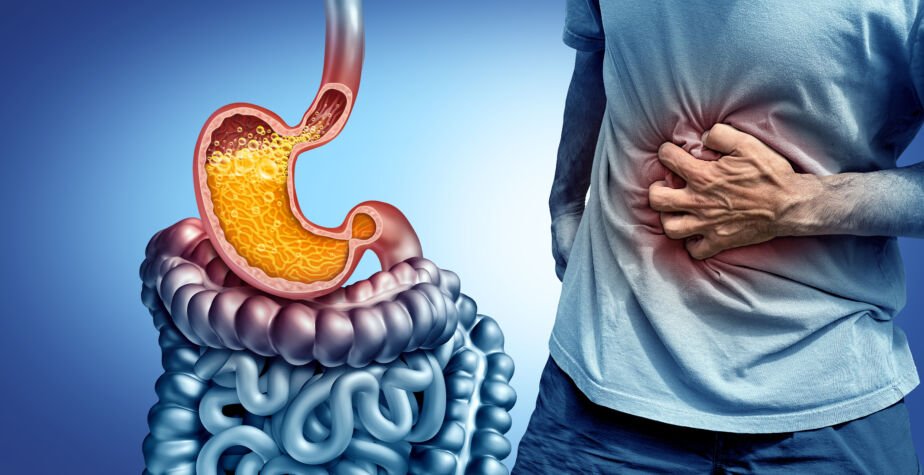
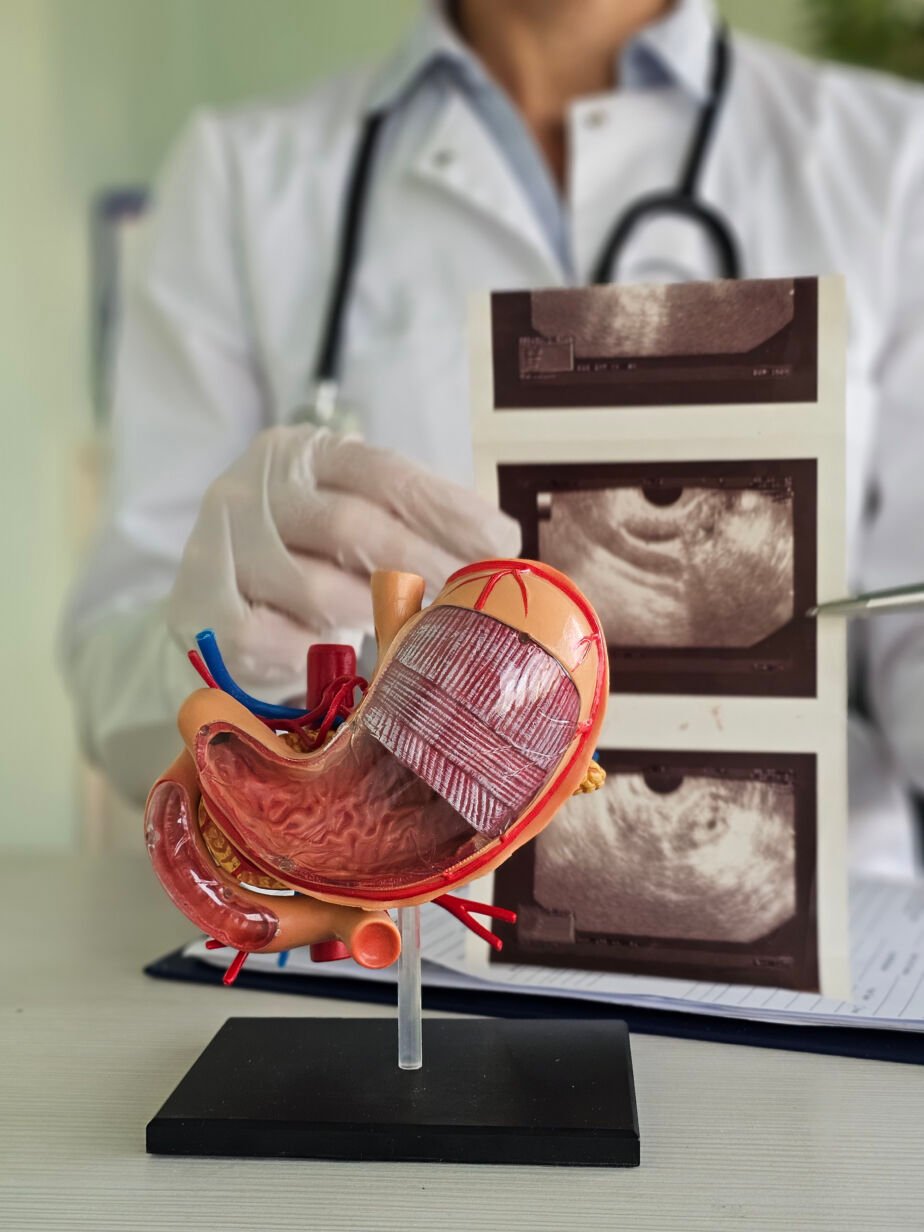
The stomach is a J-shaped muscular pouch that is situated in the upper left part of the abdominal cavity behind the lower ribs. It connects to the esophagus above and the duodenum below. The primary function of the stomach is to receive the food and break it down. 


Duodenum:

The first part of the small intestine is called the duodenum. This C-shaped structure is 10 inches long and also the shortest and widest part of the small intestine. Bile and pancreatic duct open into the second portion of the duodenum. Once the partially digested food enters from the stomach, it mixes with digestive juice and the digestion process continues. The enzymes in the duodenum are responsible for the digestion of protein, fats, and carbohydrates found in the chyme before it advances into the small intestines.

Gastritis

Introduction:

Gastritis is the inflammation of the protective mucus lining of the stomach. When the stomach lining is weak, thin or damaged, digestive juices damage it causing gastritis. While acute gastritis occurs due to sudden and severe inflammation, chronic gastritis develops slowly and causes long-term inflammation that may last for years if untreated

Acid peptic disease / Peptic Ulcer:

Acid peptic disease (APD) is the result of excessive acid secretion or diminished mucosal defense. This leads to open sores in the stomach’s lining or in the duodenum, usually in the first part. It can be acute or chronic based on the severity and duration and may tend to cause internal bleeding. Antacids, H2 receptor blockers, Proton pump blockers and eradication of Helicobacter pylori bacteria are some treatment courses the doctor may advise. Nonsteroidal anti-inflammatory drugs (NSAIDs) should be avoided in patients with peptic ulcer.

Erosive gastritis

Erosive gastritis is a severe form of acute gastritis characterized by gastric mucosal erosions. It is more commonly seen in alcoholics and patients with increases in stress like those who are ventilator-bound or are suffering from head trauma, burns or multiorgan dysfunction. It may present with blood vomiting. Erosive gastritis is diagnosed via endoscopy. Once the diagnosis is completed, it is treated by initiating acid-suppressant therapy. 

Treatment:

The cause of gastritis should be identified if possible. If NSAIDs or other drugs cause gastritis, the doctors may alter these medications to mitigate your symptoms. Gastritis caused due to H. pylori should be confirmed with endoscopy and can be eradicated with medications.


The common medicines used to treat gastritis are as follows:

Proton pump inhibitors

Medicines like omeprazole and pantoprazole are called proton pump inhibitors. They work by blocking out the production of acids in the stomach.

Antacids

Antacids work by neutralizing the acids in the stomach. They are commonly recommended as they help in speedy recovery of gastritis pain.

H2 blockers

Also known as Histamine blockers or acid-reducing medications, drugs such as famotidine, aid to decrease and control the amount of acid produced by your stomach.

Coating agents

Sucralfate is called as coating agents as they coat and protect the lining of the stomach.

Stomach cancer (Gastric cancer)

Gastric cancer is the third most common cause of cancer-related deaths globally. Stomach Cancer often grows slowly over the years and is usually left unnoticed at the onset of the disease. They are adenocarcinomas (95%) as per histopathological reports. They are typically grouped as intestinal or diffuse types depending on the microscopic details and proximal or distal based on the location of the tumor. The diffuse type usually has a genetic predisposition. Smoking, Helicobacter Pylori infection and high salt intake are the predisposing factors for the intestinal type of gastric cancers. The role of alcohol intake is controversial.


Lymphoma:

Lymphoma is a type of cancer that affects the lymphoid tissue at the stomach wall, which forms a part of the immune system. Lymphoma of the stomach is known as gastric lymphoma. About 5% of the cancers found in the stomach are usually attributed to gastric lymphoma, making it the second most common cancer in the stomach after adenocarcinoma. Those aged over 50 years are known to be affected by gastric lymphoma the most, with males posing a greater risk of developing them. Helicobacter Pylori infection is one of the etiologies.


Symptoms

Treatment

Surgery has always been the primary treatment option for stomach cancers. This can differ based on the stage of cancer and the prognosis. The surgeon will remove the tumor and while doing so might cut out with a margin of the healthy tissue as well. This is done to ensure that no cancerous cells are left behind in the stomach. Endoscopic mucosal resection (involves the use of an endoscope to cut off tiny tumors from the mucosal layer), subtotal gastrectomy (a part of the stomach is removed) and total gastrectomy (the entire stomach is removed) are the different surgeries that the surgeon might perform based on the diagnosis. 

Surgery:

Surgery is the most frequently opted treatment for localized esophageal cancer. Usually, almost all the esophagus (except small upper portion) along with the proximal part of the stomach is removed during the surgery and this operation is termed as radical esophagectomy. This surgery can be performed by open as well as “keyhole’ (Laparoscopic/robotic) approach with an equally good outcome. The surgeon will connect the healthy part (left out proximal portion) directly to the remaining stomach. Surgery is not suitable for tumors near the upper esophageal sphincters. In the multimodality approach, surgery often combined with chemotherapy and/or radiotherapy

Radiation Therapy:

Radiation therapy often used along with chemotherapy in gastric cancer patients. Radiation therapy involves the use of high-energy x-rays or other radiations to kill the cancer cells or keep them from advancing.

Chemotherapy:

Chemotherapy uses drugs to kill the cancer cells or stop them from dividing. When chemotherapy is ingested through the mouth or the injected into the vein or muscle, the medicine enters the bloodstream and attacks the cancer cells throughout the body. This is called systemic chemotherapy. Chemotherapy is advised based on the type and stage of cancer.

Immunotherapy:

Immunotherapy is a treatment that uses drugs to stimulate the patient’s immune cells to attack the cancer cells and kill them. They are commonly used in locally advanced, recurrent or widespread (metastatic) stomach cancer.
Fundoplication:

The most common and standard surgical treatment for GERD, Fundoplication is the tightening and reinforcing of the lower esophageal sphincter (LES). This can be done as an open surgery or by a ‘Key hole’ (laparoscopic) surgery, which is a minimally invasive process. 

Endoscopic procedures for GERD

There are certain endoscopic procedures for GERD correction such as

  • Transoral Incisionless Fundoplication:
  • Stretta Procedure:
  • Bard EndoCinch System 
  • Linx Surgery

Gastrointestinal stromal tumors (GISTs)

Gastrointestinal stromal tumors (GISTs) are thought to grow and develop from certain specialized cells found specifically in the gastrointestinal tract. These cells are called interstitial cells of Cajal (ICCs). Though GISTs can start from anywhere in the GI tract, more than half of them start from the stomach. GISTs were also found to spread and grow in other parts of the body and they are classified based on its size, where it’s located and how fast they divide. GISTs are often asymptomatic. Rare symptoms are bloody stools, abdominal pain and feeling full after small meals. 

Surgery is the best solution for those suffering from GISTs as it is the best chance of a cure. After surgery adjuvant therapy may be employed to treat patients who might have a high risk of tumor recurrence. Imatinib and Sunitinib are the two most common drugs used to treat GISTs by adjuvant therapy. Sometimes they present with very large size tumor. In such cases, Imatinib started first to reduce the size followed by surgery performed.


Innovative solutions advancing healthcare